
Why Hydration Is Crucial for Your Dog During Training
Training is an essential part of your dog’s physical and mental development. Whether you’re teaching basic commands, agility, or behavior shaping, your dog is expending energy, staying alert, and often working in stimulating or challenging environments. But one often-overlooked aspect of effective training is something incredibly simple—hydration.

The Role of Water in Your Dog’s Body
Just like humans, a dog’s body is made up largely of water. It supports vital bodily functions such as:
-
Regulating body temperature
-
Aiding digestion
-
Lubricating joints
-
Supporting organ function
-
Transporting nutrients and oxygen
When dogs are active—especially during training sessions that involve running, jumping, or mental exertion—they lose fluids quickly through panting and, to a lesser degree, sweating through their paws. Without proper hydration, their performance, health, and safety are at risk.
Signs of Dehydration During Training
Dogs don’t always show immediate signs of dehydration, so it’s important for handlers and pet parents to know the warning signs:
-
Excessive panting
-
Dry nose or gums
-
Lethargy or weakness
-
Sunken eyes
-
Skin that doesn’t quickly return to place when gently pulled
If you notice any of these symptoms, it’s critical to stop training and offer your dog water immediately.
How Dehydration Impacts Training
A dehydrated dog will struggle to focus, become easily fatigued, and may even become irritable or unresponsive to commands. These are clear signs that training has gone too far without adequate breaks or water. Over time, repeated training without proper hydration can increase the risk of heatstroke, kidney stress, or more serious health issues.
Best Practices for Keeping Your Dog Hydrated During Training
To prevent dehydration, keep these tips in mind:
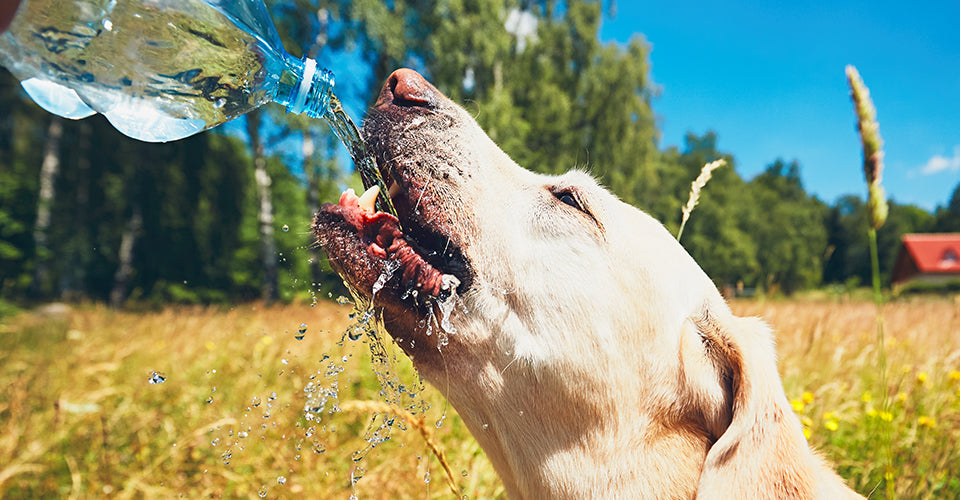
1. Always carry water: Whether you’re at the park, in a training class, or on a hike, bring a portable water bowl and fresh water for your dog.
2. Take regular breaks: For every 15–20 minutes of activity, stop for a short break and offer water.
3. Avoid peak heat: Train during cooler parts of the day—early morning or late evening—especially in warmer months.
4. Use hydration treats: Frozen dog treats made with broth or coconut water can help keep your dog interested in staying hydrated.
5. Know your dog’s needs: Some breeds, like brachycephalic dogs (such as Bulldogs or Pugs), overheat faster and require more frequent hydration. Age, weight, and overall health also play a role.
Post-Training Hydration
Even after training is done, your dog may still be recovering. Ensure they have easy access to clean, cool water after every session. Monitor their behavior for any signs of lingering exhaustion or discomfort, which can be linked to inadequate hydration during or after training.
Looking to strengthen the bond between you and your dog? Visit Team JW Enterprises for expert dog training, secure fencing solutions, and more services designed to meet your pet’s unique needs. Let us help you create a happier, safer, and more fulfilling life for your canine companion. Contact us at (888) 909-6026 or [email protected] to get started today!Dog