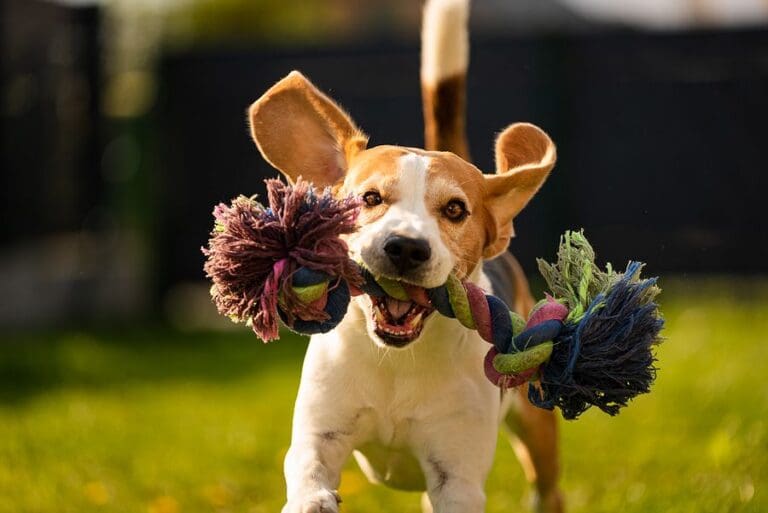

The Ultimate Guide to Toilet Training Your Puppy: Step-by-Step Tips That Work
Bringing a new puppy home is an exciting experience. However, one of the first challenges every new dog owner faces is toilet training. While it might seem daunting at first, with the right approach, patience, and consistency, your puppy can be fully house-trained in a matter of weeks.

This comprehensive guide will walk you through each step to help you toilet train your puppy effectively and compassionately.
Why Toilet Training Is Essential
Toilet training not only helps keep your home clean but also builds the foundation for good behavior. A well-trained puppy is more confident, less stressed, and easier to integrate into your daily life and home environment.
When to Start Toilet Training
Start toilet training your puppy as soon as you bring them home, ideally between 8 to 12 weeks of age. At this stage, puppies are learning about their environment and can start developing good habits.
Step-by-Step Toilet Training Tips
1. Establish a Routine
Dogs thrive on routine. Feed your puppy at the same times every day and take them out immediately after eating, drinking, waking up, or playing. Most puppies need to relieve themselves every 1-2 hours, so regular trips outside are key.
Example schedule:
-
First thing in the morning
-
After each meal
-
After naps
-
After playtime
-
Before bed
2. Choose a Designated Toilet Spot
Always take your puppy to the same spot outside to do their business. The scent will remind them what they’re there to do. Pick a quiet area without too many distractions.
3. Use a Cue Word
Use a simple command like “go potty” or “toilet time” consistently when you bring your puppy to the toilet area. Over time, they will associate the word with the action.
4. Reward Immediately
As soon as your puppy finishes going to the toilet in the correct spot, reward them with praise, a treat, or a short play session. Immediate positive reinforcement helps them understand they did the right thing.
5. Supervise Indoors
Until your puppy is fully trained, always supervise them when they are indoors. If you can’t keep an eye on them, use a crate or a playpen to limit their space. Puppies are less likely to soil their sleeping area.
6. Watch for Signs
Learn to recognize the signs your puppy needs to go out. Common cues include:
-
Sniffing or circling
-
Whining
-
Pacing
-
Sitting by the door
Respond quickly to these signs to avoid accidents.
7. Clean Accidents Properly
Accidents will happen. Clean them up immediately with an enzymatic cleaner to eliminate odors that could encourage repeat accidents in the same spot. Avoid harsh punishments—they can create fear and slow down the training process.

Common Mistakes to Avoid
-
Inconsistency: Changing the routine or command words can confuse your puppy.
-
Punishing accidents: This can make your puppy fearful and hide when they need to go.
-
Waiting too long: Puppies have small bladders. Waiting too long between potty breaks increases the chance of accidents.
-
Skipping nighttime breaks: Young puppies may need to go once or twice during the night. Set an alarm if necessary.
Crate Training and Toilet Training
Crate training can be a valuable tool in housebreaking. A properly sized crate becomes your puppy’s den—a safe, clean space they won’t want to soil. Make sure the crate isn’t too big and always give your puppy the opportunity to go outside before being crated for long periods.
How Long Does It Take?
Most puppies can be mostly toilet trained by 4 to 6 months of age, though smaller breeds may take a bit longer due to smaller bladders. Consistency and patience are key. If you’re seeing little to no progress after several weeks, consider consulting a professional trainer or veterinarian.
Looking to strengthen the bond between you and your dog? Visit Team JW Enterprises for expert dog training, secure fencing solutions, and more services designed to meet your pet’s unique needs. Let us help you create a happier, safer, and more fulfilling life for your canine companion. Contact us at (888) 909-6026 or [email protected] to get started today!