
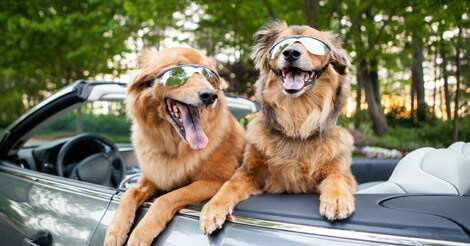
Road Trip Ready: Training Your Dog for Long Car Rides
Planning a road trip is exciting—but if you’re bringing your dog along, preparation is key. Just like people, dogs need time to adjust to long car rides. Whether you’re heading to the mountains, the beach, or across state lines, a little training can make the journey smoother and safer for everyone.

Here’s how to get your dog road-trip ready.
1. Start with Short Practice Drives
If your dog isn’t used to the car, begin with short trips around the block. Gradually increase the length of each ride. The goal is to help your dog associate car travel with positive experiences rather than stress.
Reward calm behavior with treats, praise, or a favorite toy. If your dog only rides in the car to visit places like the vet, they may associate it with anxiety. Mix in trips to fun destinations such as a park or a friend’s house.
2. Make the Car a Comfortable Space
Comfort can make all the difference during long drives.
-
Use a well-ventilated crate or a crash-tested dog seatbelt harness.
-
Bring a familiar blanket or bed that smells like home.
-
Maintain a comfortable temperature inside the car.
-
Block direct sunlight with shades if necessary.
Creating a cozy and secure environment helps reduce stress and prevents unnecessary movement while the vehicle is in motion.
3. Practice Calm Entry and Exit
Excitement at rest stops can lead to unsafe situations. Teach your dog to wait calmly before jumping out of the car. Use commands like “stay” or “wait” and reward compliance.
Always leash your dog before opening the door. Even well-trained dogs can get startled in unfamiliar environments.
4. Manage Motion Sickness and Anxiety
Some dogs experience motion sickness, especially during long rides. Signs may include drooling, whining, yawning, or vomiting.
To reduce discomfort:
-
Avoid feeding a large meal right before travel.
-
Keep fresh air circulating.
-
Take frequent breaks for bathroom and stretch time.
-
Consult your veterinarian about anti-nausea or calming options if needed.
If anxiety is severe, gradual desensitization training may help. In some cases, professional trainers or behaviorists can offer guidance.

5. Plan Regular Breaks
Dogs need regular opportunities to stretch, hydrate, and relieve themselves. Plan to stop every 2–3 hours during long drives.
Use rest stops or pet-friendly areas to allow your dog to walk safely on a leash. Bring water and a collapsible bowl to keep them hydrated, especially during warm weather.
6. Pack a Dog Travel Kit
Just like you pack essentials for yourself, your dog needs their own travel bag. Include:
-
Food and treats
-
Water and bowl
-
Leash and harness
-
Waste bags
-
Vaccination records
-
Any necessary medications
-
A towel for muddy paws
-
Favorite toys or comfort items
Being prepared prevents unnecessary stress and keeps your trip running smoothly.
7. Safety First
Unrestrained dogs can be dangerous during sudden stops or accidents. According to organizations like the American Veterinary Medical Association, proper restraint helps protect both pets and passengers.
Never allow your dog to ride in the front seat, especially if airbags are present. Additionally, avoid letting your dog stick their head out of the window, as debris can cause eye injuries.
8. Choose Pet-Friendly Accommodations
Before your trip, confirm that your lodging welcomes dogs. Many hotels and vacation rentals advertise themselves as pet-friendly, but policies vary.
Research amenities, nearby walking areas, and any breed or size restrictions in advance to avoid surprises.
9. Watch for Signs of Fatigue or Stress
Long travel days can be exhausting. Pay attention to signs such as excessive panting, restlessness, or withdrawal. Adjust your schedule if needed and allow your dog time to rest once you reach your destination.
Remember, a road trip should be enjoyable for everyone—including your four-legged companion.
Looking to strengthen the bond between you and your dog? Visit Team JW Enterprises for expert dog training, secure fencing solutions, and more services designed to meet your pet’s unique needs. Let us help you create a happier, safer, and more fulfilling life for your canine companion. Contact us at (888) 909-6026 or [email protected] to get started today!


