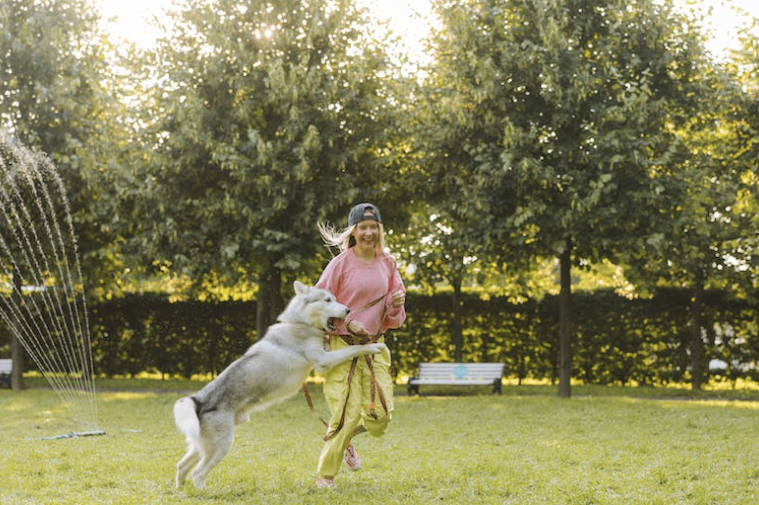

Building the Perfect Daily Training Routine for Your Dog: A Step-by-Step Guide
Training your dog isn’t just about teaching tricks—it’s about building a strong bond, improving behavior, and ensuring your dog’s physical and mental well-being. A well-structured daily training routine can make all the difference. Whether you’re working with a new puppy or refining an older dog’s skills, consistency and balance are key.

Below is a step-by-step guide to help you build the perfect daily training routine for your dog.
Step 1: Understand Your Dog’s Needs
Before creating a schedule, it’s essential to understand your dog’s breed, age, energy level, and temperament.
-
Puppies require short, frequent training sessions to accommodate their limited attention span.
-
Adult dogs can handle longer sessions with more complex exercises.
-
Senior dogs benefit from gentle training to maintain mental stimulation and mobility.
Knowing your dog’s unique personality and physical needs helps you tailor training that is both effective and enjoyable.
Step 2: Establish a Consistent Schedule
Dogs thrive on routine. Setting specific times each day for training helps your dog know what to expect and when to focus.
A sample schedule might look like this:
-
Morning (10–15 minutes): Basic obedience training such as sit, stay, and recall.
-
Afternoon (10 minutes): Mental stimulation with puzzle toys or scent games.
-
Evening (10–20 minutes): Leash walking or advanced commands like heel or place.
Consistency builds trust and improves retention of learned behaviors.
Step 3: Start with the Basics
Before introducing complex tasks, make sure your dog masters the fundamentals. Core commands include:
-
Sit
-
Stay
-
Come
-
Down
-
Leave it
Use positive reinforcement techniques—such as treats, praise, or playtime—to reward good behavior. Keep training sessions short and upbeat to prevent frustration.
Step 4: Include Physical Exercise
Training alone isn’t enough. Dogs need daily exercise to stay healthy and focused. Depending on your dog’s breed and age, aim for:
-
20–60 minutes of walking or play each day
-
Varied activities such as fetch, agility, or hiking to build endurance and prevent boredom
A well-exercised dog is calmer and more receptive to training.
Step 5: Add Mental Stimulation
Mental enrichment is just as important as physical activity. Incorporate:
-
Puzzle feeders or treat-dispensing toys
-
Hide-and-seek games using treats or toys
-
Scent work to engage your dog’s natural instincts
These activities challenge your dog’s brain and reduce unwanted behaviors that stem from boredom.

Step 6: Reinforce Throughout the Day
Training shouldn’t only happen during scheduled sessions. Reinforce good manners throughout daily interactions.
-
Ask for a “sit” before meals.
-
Practice “stay” when opening doors.
-
Reward calm behavior around guests or distractions.
This real-world practice ensures your dog’s training becomes second nature.
Step 7: Track Progress and Adjust
Every dog learns at a different pace. Keep a simple training log to note what’s working and what isn’t. If your dog struggles with a particular command, break it down into smaller steps or switch to a different reward. Patience and adaptability are vital for long-term success.
Step 8: Make It Fun
Training should always be a positive experience for both you and your dog. Keep sessions upbeat, end on a high note, and celebrate small victories. The goal is not perfection—it’s progress and connection.
Looking to strengthen the bond between you and your dog? Visit Team JW Enterprises for expert dog training, secure fencing solutions, and more services designed to meet your pet’s unique needs. Let us help you create a happier, safer, and more fulfilling life for your canine companion. Contact us at (888) 909-6026 or [email protected] to get started today!