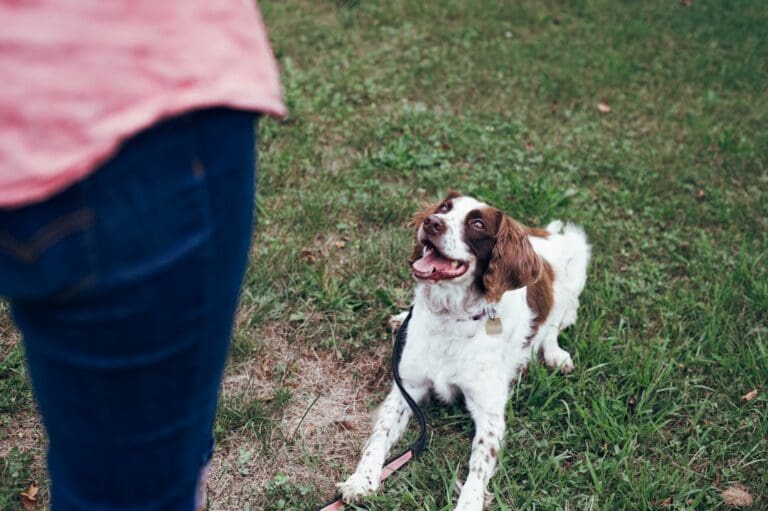

Housebreaking Woes: How to Potty Train Your Puppy Without the Stress
Bringing home a new puppy is an exciting experience filled with cuddles, playtime, and the occasional chewed-up shoe. But one part of puppy parenting that often causes anxiety is potty training. The good news? Housebreaking doesn’t have to be a nightmare. With a consistent routine, a bit of patience, and the right mindset, you can help your puppy learn where and when to go—without the stress.
1. Understand Your Puppy’s Needs
Puppies have small bladders and limited control, especially during the first few months. A general rule of thumb is that a puppy can hold their bladder for about one hour for every month of age. So if your pup is two months old, expect bathroom breaks every two hours—yes, even at night.

2. Establish a Consistent Routine
Routine is everything in potty training. Take your puppy out:
-
First thing in the morning
-
After meals and naps
-
After play sessions
-
Before bedtime
-
Every couple of hours in between
Taking them to the same spot each time can also help them associate the area with going potty.
3. Use Positive Reinforcement
When your puppy does their business outside, praise them immediately. You can offer a treat, verbal encouragement, or affection—whatever motivates your pup most. The key is timing: the reward must come right after they finish, so they connect the act with the praise.
Never punish a puppy for accidents. Scolding after the fact only confuses them and can delay progress. Instead, focus on catching and rewarding the good behavior.

4. Supervise and Limit Freedom
Until your puppy is fully housebroken, supervision is essential. Keep them in sight or use tools like baby gates and playpens to manage their space. Crate training is especially effective for housebreaking because dogs naturally avoid soiling their sleeping areas.
When you can’t watch them, the crate provides a safe and cozy place that encourages bladder control.
5. Clean Accidents Thoroughly
When accidents happen—and they will—it’s important to clean up properly. Use an enzymatic cleaner to remove all traces of odor. If a spot smells like a bathroom to your puppy, they’re likely to return to it.
Avoid using ammonia-based cleaners, which can mimic the smell of urine and confuse your pup further.
6. Be Patient and Realistic
Potty training takes time. Some puppies pick it up in a few weeks, while others may take several months. Breed, age, and individual temperament all play a role. Don’t compare your pup to others—progress is still progress, even if it’s slow.
Celebrate the small wins and stay consistent. Frustration is normal, but perseverance pays off.
Looking to strengthen the bond between you and your dog? Visit Team JW Enterprises for expert dog training, secure fencing solutions, and more services designed to meet your pet’s unique needs. Let us help you create a happier, safer, and more fulfilling life for your canine companion. Contact us at (888) 909-6026 or [email protected] to get started today!